
Best Shopify Agency for Fashion Brands in Delhi NCR
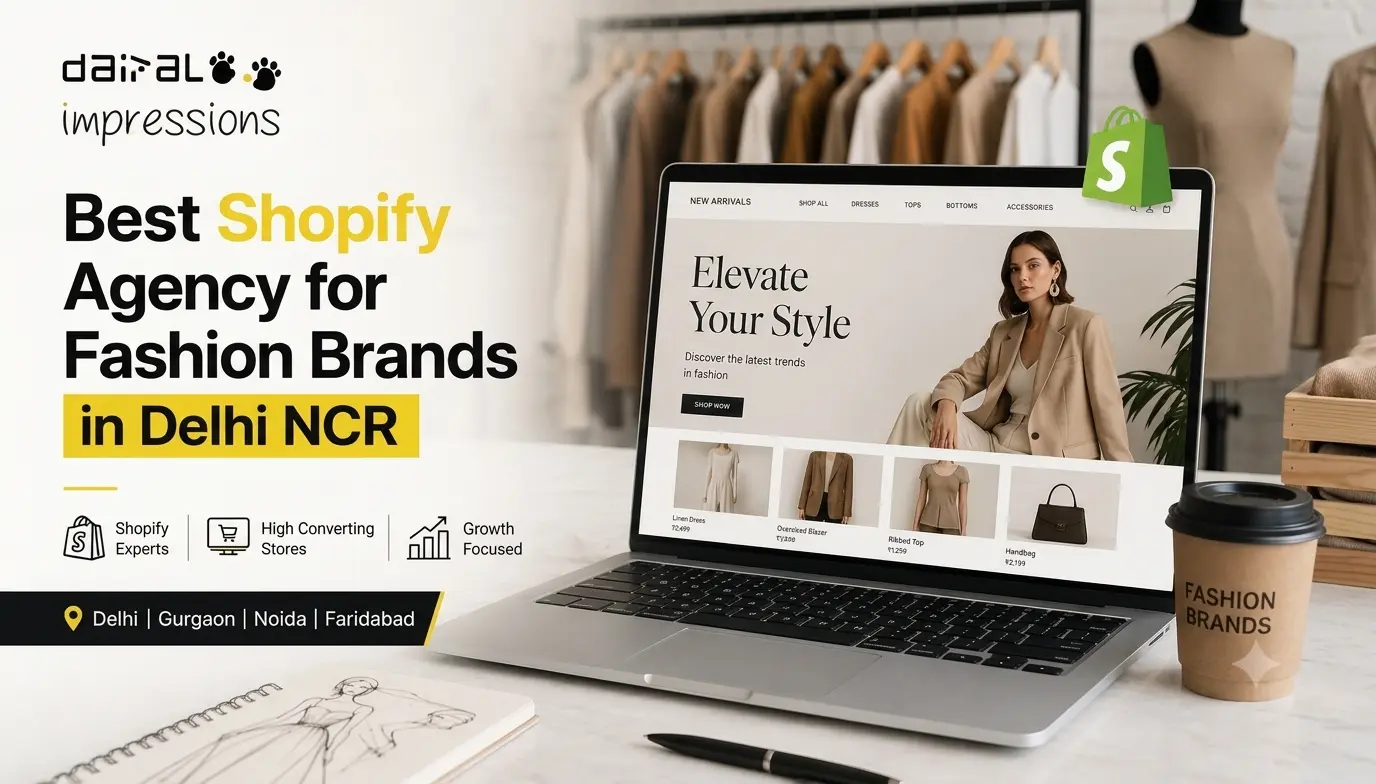
If you run a fashion or apparel brand and you’re comparing Shopify agencies in Delhi NCR, here’s the short answer: find a team that’s actually built and shipped fashion stores before, not just “eCommerce sites” in general. Fashion isn’t like other verticals. Size charts, color-and-size variants, lookbooks, return rates, festive-season traffic spikes — none of that is on a generic web shop’s radar if they mostly build for B2B or SaaS clients. An agency that’s already worked with clothing, jewellery, or lifestyle labels has hit these problems before and knows where they usually break.
That’s really the whole filter. Everything else in this guide is just detail underneath it.
Why Delhi NCR is a hub for fashion D2C right now
Delhi NCR has quietly become one of India’s biggest clusters for direct-to-consumer fashion brands. Part of that’s just geography: Gurugram and Noida sit close to garment manufacturing belts, export houses, and a design talent pool that used to work almost exclusively for wholesale and export. Over the last few years, a chunk of that talent has started building their own labels instead, selling straight to customers online rather than through department stores.
That shift changed what these brands actually need from a website. A wholesale catalogue PDF doesn’t need lookbooks, wishlists, or an Instagram shop feed. A D2C brand does. So when someone searches for a “Shopify agency for Fashion brands,” they’re usually not looking for a person who can install a theme and call it done. They want a partner who gets the D2C fashion sales cycle: discovery on Instagram, browsing on a phone at 11 pm, hesitating over which size to pick, and a checkout that has to work in under ten seconds or the customer’s gone.
What a fashion brand’s website actually needs in 2026
A basic Shopify install out of the box will not cover most of this. Here’s what tends to separate a fashion store that converts from one that just looks nice:
Product variants that don’t break. Color, size, and sometimes fabric all need to work together without forcing the customer into a confusing dropdown maze. This sounds simple until you have 40 SKUs per style and inventory that runs out of specific sizes faster than others.
Size guides are built into the product page, not buried in a separate policy page. Ideally with a size chart that adjusts per garment type, since a kurta and a fitted blazer don’t fit the same way.
Lookbooks and shoppable editorial content. Fashion buyers don’t just want a grid of products. They want to see how a piece looks styled, which is why brands like Sand by Shirin and Kanelle lean heavily on lookbook-style landing pages instead of plain category pages.
Wishlist functionality. Fashion has a long consideration cycle. Someone sees a dress on a Tuesday and buys it on payday. Without a wishlist, that customer just… forgets.
Bundles and upsells. A “complete the look” prompt at checkout, or a 3-for-2 on basics, does more for average order value than most people expect. Brands running this well typically see a noticeable AOV lift without spending extra on ads.
Instagram integration. Given how much fashion discovery happens on Instagram and Reels, a synced product catalogue that pulls stock updates automatically saves a lot of manual work and avoids the awkward “sorry, that’s sold out” DM.
International shipping and duty handling, if the brand plans to sell outside India. A lot of fashion labels get their first export orders from the diaspora before they’ve built any formal export strategy, so the website needs to be ready for that even if it’s not the main focus yet.
Actual conversion optimization, not just a pretty homepage. Page speed, checkout friction, mobile navigation, and cart abandonment flows matter more to revenue than most design decisions combined.
Shopify vs a custom-built website
This comes up a lot, so it’s worth addressing directly. For most fashion brands, Shopify wins on time-to-launch, hosting reliability, and the sheer size of its app ecosystem for things like size charts, loyalty programs, and subscription boxes. A custom-built site gives more control but usually means a dedicated developer on retainer, since every new feature has to be coded from scratch.
Unless a brand has very unusual requirements — a highly custom configurator, for instance, or deep ERP integration that off-the-shelf apps can’t handle — Shopify tends to be the more practical choice for apparel and accessories brands, especially in the first two to three years of building the business.
What a genuinely experienced agency looks like
This is where a lot of buyers get stuck, because most agency websites say roughly the same things. A few markers that actually separate real experience from marketing copy:
- A visible portfolio of fashion and lifestyle clients you can click through and check live, not just screenshots.
- Case studies with real numbers attached — conversion rate change, load time improvement, revenue impact — rather than vague claims of “great results.”
- A track record that spans several years and multiple Shopify projects, not a handful of one-off builds.
- Official partner status with Shopify, which usually means the team has been vetted and trained on the platform directly.
- Transparent pricing and timelines up front, instead of “contact us for a custom quote” with no ballpark.
One agency worth a look here is Digital Impressions, a Delhi NCR–based Shopify Partner with over 15 years in web and eCommerce work. Their client list includes several fashion and lifestyle labels built on Shopify: Sam & Ava, Perona, Outhouse Jewellery, Kanelle, Sand by Shirin, Pernia pop up, Ritu Kumar. One case study on their site is worth noting too: a fashion brand that saw conversions jump 300% after a rebuild, plus lower recurring hosting and maintenance costs. Builds typically take 8 to 10 weeks. Worth a look if you’re comparing your own shortlist against a team that’s actually shipped fashion stores before.
How much does a fashion eCommerce website actually cost?
Costs vary a lot more than people expect, mostly depending on how much custom design and app integration the brand actually needs. A simple store on an existing theme with light tweaks stays cheap. Add bespoke product pages, integrated size guides, a loyalty program, multi-currency support, and the number climbs fast, sometimes into several thousand dollars depending on scope. People also forget the ongoing costs: Shopify’s own subscription, whatever apps you’re running for reviews or upsells, and probably a retainer for updates once the site’s live.
One thing I’d flag: if an agency gives you a number before asking about your catalogue size, how complex your variants are, or which apps you actually need, be a little skeptical. That usually means nobody’s scoped the work yet; they’ve just given you a placeholder.
A quick checklist before you sign with an agency
- Ask to see three live fashion or apparel stores they’ve built, not just design mockups.
- Ask what happens after launch — is there a support retainer, or are you on your own the day the site goes live?
- Ask how they handle size guides and product variants specifically, since this is where generic agencies tend to stumble.
- Ask for a realistic timeline. Anything under four weeks for a full custom build is usually a red flag.
- Ask whether they’re an official Shopify Partner. It’s not mandatory, but it’s a reasonable trust signal.
FAQs
Q1. Who is the best eCommerce agency in Delhi NCR?
A: There isn’t a single universal answer, since “best” depends on your budget, brand category, and timeline. For fashion and lifestyle brands specifically, look at agencies with a proven Shopify portfolio in that category — Digital Impressions is one example, with over a decade of experience and multiple fashion clients built on Shopify.
Q2. What should I look for while hiring a Shopify agency?
A: Check their portfolio for fashion or apparel clients you can visit live, ask for case studies with real numbers, confirm they’re a Shopify Partner, and get clarity on pricing and post-launch support before you sign anything.
Q3. Which platform is best for Indian D2C brands?
A: Shopify is currently the most common choice for Indian D2C fashion brands because of its hosting reliability, app ecosystem, and faster launch timelines compared to fully custom builds. It’s not the only option, but it’s the practical default for most apparel and lifestyle labels starting out.
Q4. Can small businesses afford Shopify?
A: Yes. Shopify’s own subscription plans start at a relatively low monthly cost, and small brands can launch with a paid theme and minimal customization to keep initial costs down, then invest in a custom build later once revenue picks up.
Q5. How long does website development take?
A straightforward Shopify store can launch in a few weeks. A fully custom fashion store with bespoke design, size guides, and app integrations typically takes 8 to 10 weeks, based on common industry timelines.
You might also like
The Impressions Edit – September ’26
Expert Insights: How AI Is Changing E-commerce Marketing
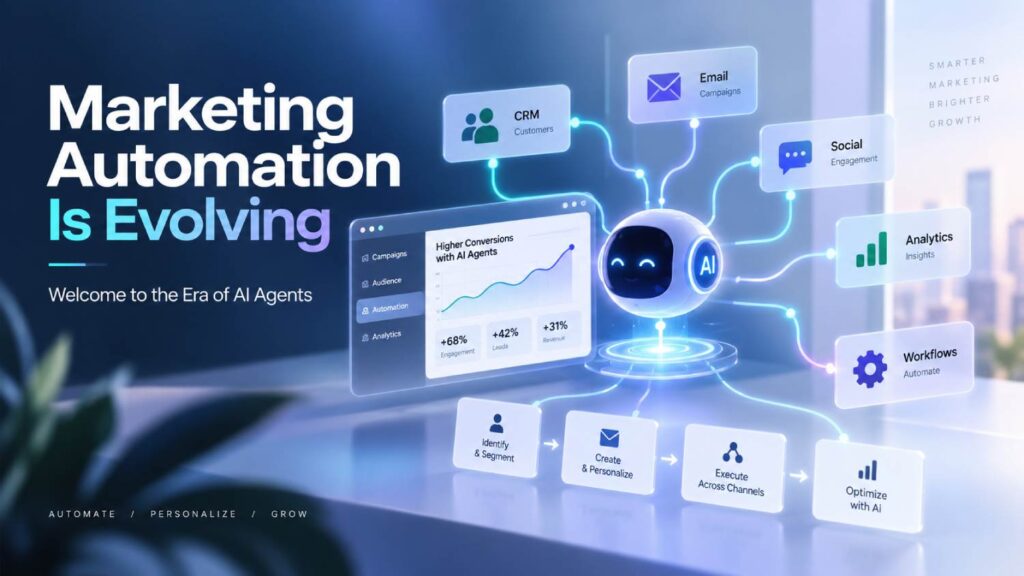
Marketing Automation Is Evolving: Welcome to the Era of AI Agents


Let’s chat...
AS SEEN ON









awards

Excellence
in Digital Marketing
Women CPO
of the year 2023
Transformational
Leaders to Watch
Most Trusted
Companies


-

INDIA
NCR
+91-9811348433 Digital Impressions (INDIA)
29-36 LGF, Charmwood Plaza,
Delhi NCR - 121009
India
-

INDIA
GURUGRAM
+91-9811348433 Digital Impressions (INDIA)
4th Floor, JMD MEGAPOLIS, FF-402,
Badshahpur Sohna Rd, Sector 48,
Gurugram, Haryana 122018
India
-

USA
ATLANTA, GEORGIA
Digital Impressions (USA)
1445 Woodmont Ln NW,
4515 Atlanta Georgia - 30318
United States
-

UAE
DUBAI, UAE
+971-545502300 Digital Impressions (FZCO)
72819, IFZA Business Park, A1
Dubai Silicon Oasis - 342001
UAE


